

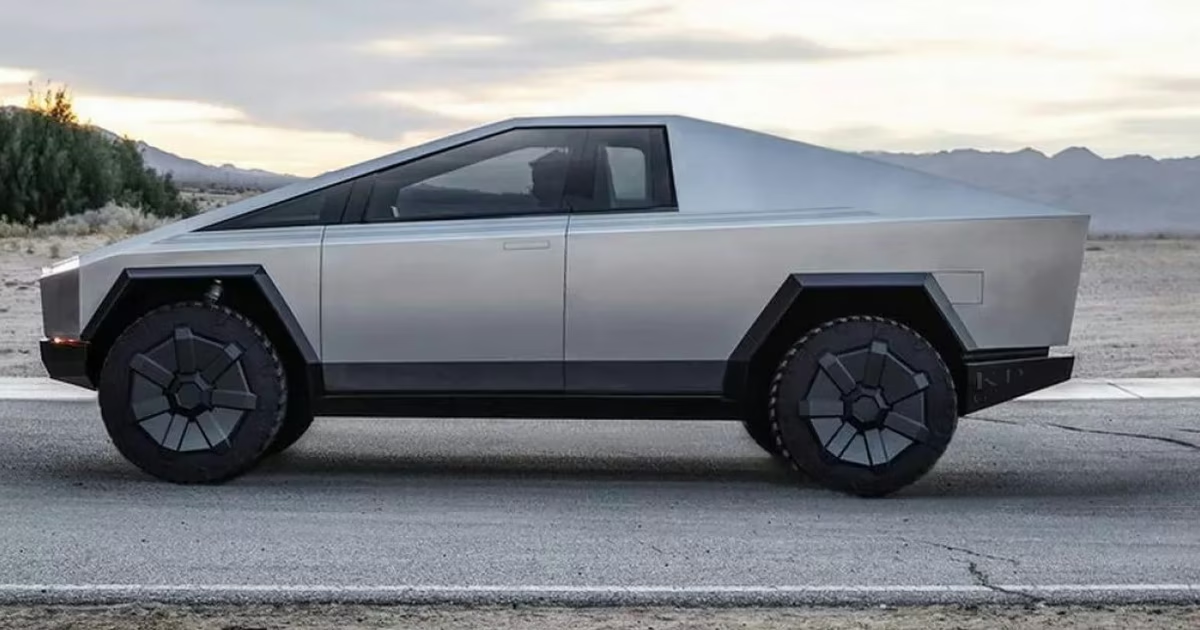
AUSTIN — In a sweeping strategic realignment that signals a major turning point for the automaker, Tesla has announced plans to wind down manufacturing of the Cybertruck at its Texas gigafactory. Once heralded by leadership as a revolutionary leap in automotive engineering, the polarizing stainless-steel vehicle is set to be phased out entirely by 2027. This decision marks a definitive end to one of the most unconventional commercial automotive experiments of the modern era, as corporate leadership shifts its engineering resources and capital heavily toward autonomous vehicle technology.
The announcement brings a formal conclusion to a vehicle that polarized automotive critics and consumers alike since its initial prototype debut. Throughout its commercial lifecycle, the model faced continuous manufacturing hurdles, numerous logistical delays, and multiple safety recalls that tested the patience of early reservation holders. Despite initial waves of massive enthusiasm and millions of speculative deposits, actual adoption remained severely limited primarily to North American markets, constrained by its radical geometry, heavy weight, and contentious regulatory hurdles in international jurisdictions.
Cybertruck: The Breaking Facts
The decision to terminate the vehicle line comes as leadership doubles down on the upcoming Cybercab, a purpose-built autonomous robotaxi designed without a steering wheel or pedals. According to corporate disclosures, the factory lines currently dedicated to the angular pickup will be systematically retooled to support high-volume manufacturing of the autonomous fleet. Industry analysts note that while the pickup generated immense media attention, its complex manufacturing processes and high production costs yielded compressed profit margins that failed to meet expectations.
Background & Timeline of Cybertruck
The trajectory of the vehicle has been marked by extraordinary highs and turbulent operational realities. Unveiled amid much fanfare in late 2019—notoriously highlighted by a shattered window demonstration—the vehicle did not reach consumer hands until late 2023. Production ramp-up at the Texas facility proved exceptionally challenging due to the ultra-hard stainless-steel exoskeleton and specialized casting requirements. Compounding these hurdles, the truck underwent a series of high-profile regulatory safety recalls addressing everything from accelerator pedal entrapment to exterior trim adhesion issues, denting consumer confidence.
Contextual Analysis & Associated Developments
The broader automotive landscape is shifting aggressively toward software-defined mobility and ride-sharing networks, rendering niche consumer trucks less vital to Tesla's immediate financial roadmap. Observers point out that winding down production allows the company to consolidate its supply chain and redirect engineering talent toward artificial intelligence and neural network training. The reallocation of capital away from consumer trucks directly underscores a corporate bet that autonomous transport services will outpace private passenger vehicle ownership in profitability over the coming decade.
Official Statements & Key Reactions
Financial markets and industry observers have offered mixed reactions to the news. While Wall Street analysts largely praised the pragmatic move to cut losses on a low-volume product line and focus on scalable autonomous platforms, loyal automotive enthusiasts expressed disappointment over the demise of such a radical design. Competitors in the electric vehicle sector have similarly transitioned their development roadmaps away from extreme futuristic aesthetics toward more traditional, high-demand utility configurations, validating the conservative turns taken by mainstream legacy automakers.
Strategic & Long-term Ramifications
Looking forward, the closure of this assembly line represents a maturing phase for Tesla, wherein experimental design concepts are increasingly subjugated to strict economic viability. The transition period leading up to the 2027 phase-out will require careful management of warranty support, parts availability, and residual vehicle values for current owners. Meanwhile, attention will turn entirely toward the execution of the autonomous ride-hailing ecosystem and whether that ambitious vision can capture the public imagination as effectively as the brand's earlier prototypes once did.
What Observers Are Watching Next
Market watchers are closely monitoring quarterly delivery reports leading into the final production phase, alongside regulatory approvals for autonomous software deployments. As factory floors in Texas begin their gradual transformation, the automotive sector will observe whether the pivot toward autonomous robotaxis can successfully replace the cultural footprint left by one of the most distinctive vehicles ever brought to market.