

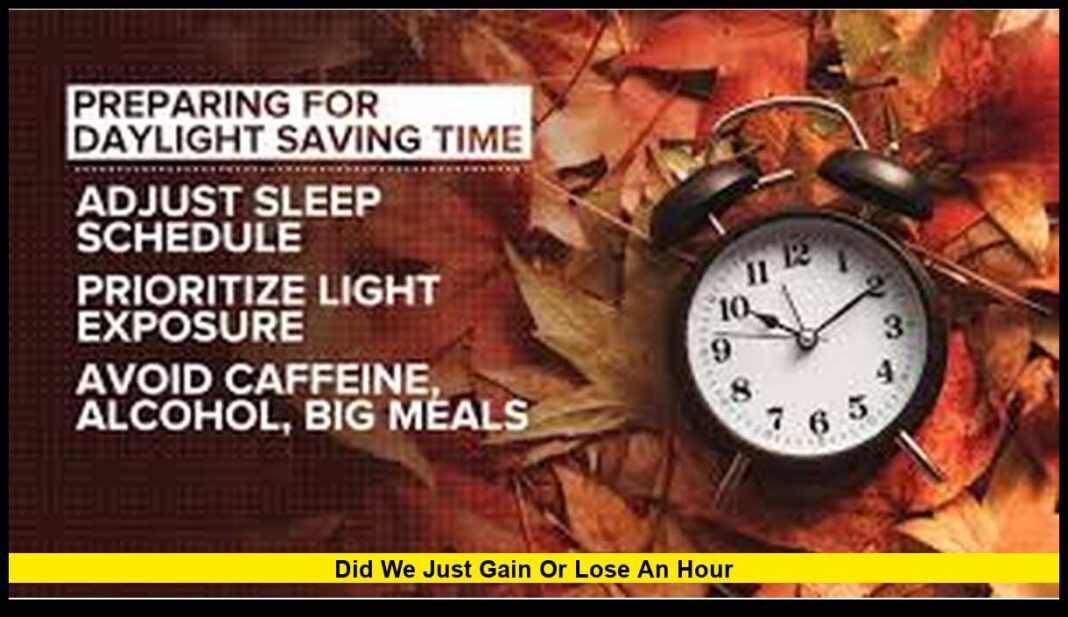
As standard time transitions take effect across multiple global jurisdictions, millions of citizens are asking themselves a familiar question: Did We Gain or Lose an Hour as the official clocks fall back? The seasonal shift back to standard time brings an end to daylight saving time, returning an extra hour of sleep to morning commuters and early risers alike while shifting evening daylight patterns significantly.
Throughout the transition weekend, communities from North America to international regions have scrambled to reset manual timepieces, analog clocks, and digital infrastructure. Understanding the exact mechanics of the transition helps mitigate confusion regarding schedules, transit timetables, and global communications.
Did We Gain or Lose an Hour: The Breaking Facts
The adjustment requires most regions observing the shift to turn their clocks backward by precisely sixty minutes. Consequently, individuals effectively regain the hour that was previously surrendered during the spring forward transition earlier in the year. This temporal adjustment recalibrates the official timeline, impacting sunrise and sunset schedules worldwide.
Background & Timeline of Did We Gain or Lose an Hour
The historical context of seasonal time changes spans over a century, originally implemented to optimize natural daylight usage during industrial and agricultural periods. Modern implementations vary substantially across international borders. While numerous nations have abandoned the practice or never adopted it, others continue the biannual adjustment, sparking ongoing legislative and public health debates regarding its continued relevance.
Contextual Analysis & Associated Developments
Beyond the immediate mechanical shift of hands on a clock, the transition alters daily routines, energy consumption profiles, and circadian rhythms. Commuters frequently wonder about sunrise schedules and whether the morning darkness will alter their transit safety. Furthermore, digital systems, servers, and automated scheduling platforms must execute the fallback seamlessly to prevent systemic disruptions across financial and transportation networks.
Official Statements & Key Reactions
Public health organizations, transportation authorities, and meteorologists have issued comprehensive advisories to help the public adapt smoothly. Experts emphasize that while the extra rest is welcomed by many, the abrupt shift in ambient light can temporarily influence sleep hygiene and alertness levels during the initial transition week.
Strategic & Long-term Ramifications
Lawmakers in various jurisdictions continue to re-evaluate the utility of biannual time modifications. Legislative proposals advocating for permanent standard time or permanent daylight saving time frequently surface, though consensus remains fragmented. Economic analyses indicate mixed impacts on retail, energy efficiency, and public safety.
What Observers Are Watching Next
As communities settle into the newly adjusted timeline, attention turns toward how legislative bodies will handle future scheduling frameworks. Analysts will monitor public sentiment, regional adaptations, and technological synchronization to ensure seamless timekeeping operations globally.