
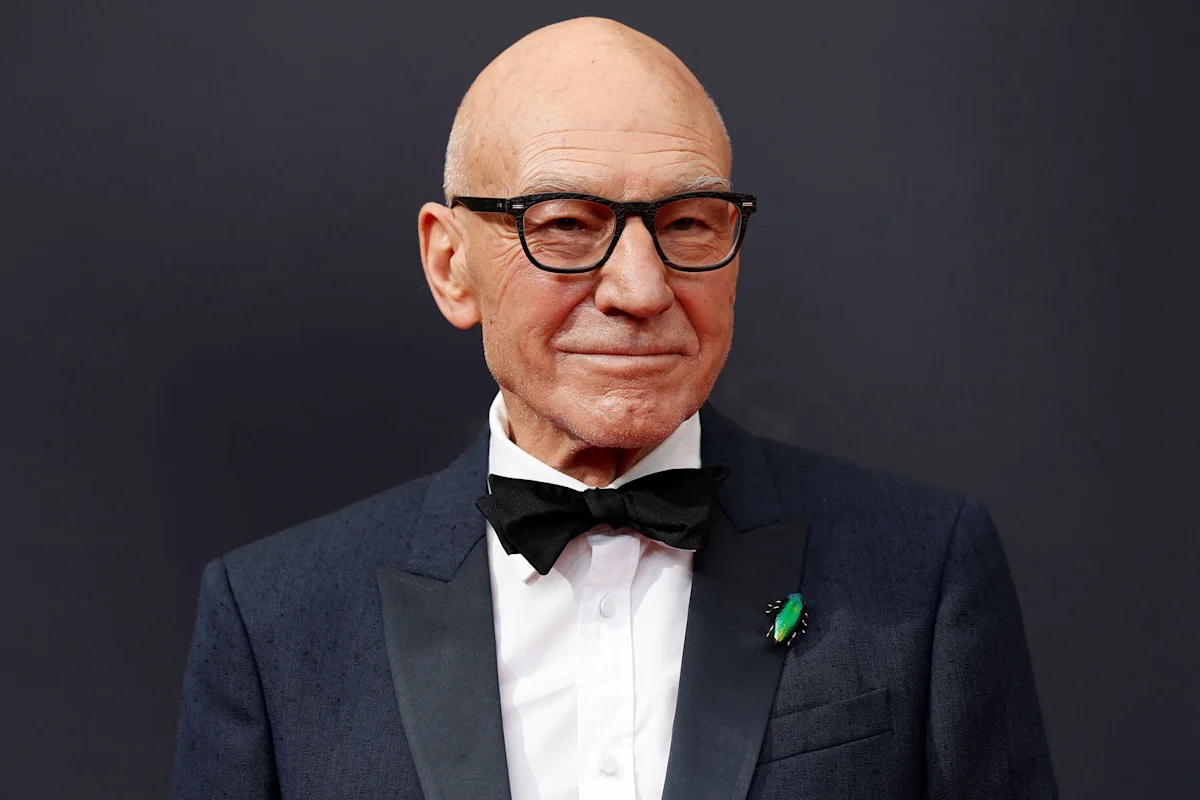
LONDON — The global entertainment community is in deep mourning following the passing of Patrick Stewart, the legendary classical stage performer turned cinematic powerhouse whose commanding presence defined generations of science fiction and classical drama, at the age of 86. Known globally for his definitive portrayals of command figures and extraordinary minds, his death marks the end of an era for both British theater and Hollywood blockbusters.
Over a career spanning more than six decades, Sir Patrick Stewart transcended conventional categorization. While many millions knew him universally through iconic Patrick Stewart movies and television franchises, his roots remained firmly planted in the Royal Shakespeare Company, where he developed the resonant voice and magnetic authority that would later captivate audiences worldwide.
Patrick Stewart: The Breaking Facts
Family representatives confirmed that the celebrated actor passed away peacefully, surrounded by loved ones. Medical reports following the announcement of the Patrick Stewart Cause of Death indicated that the actor had been privately managing complications related to Lewy Body Dementia in his final years, handling the diagnosis with the same quiet dignity and grace that characterized his public persona.
Tributes have poured in from across the globe, led by lifelong friend and frequent collaborator Ian Mckellen. The enduring bond between the two theatrical titans, forged on stage and cemented on screen, represented a gold standard of artistic partnership and mutual respect.
Background & Timeline of Patrick Stewart
Born in Mirfield, Yorkshire, England, Patrick Stewart overcame a difficult childhood to find solace in acting and elocution. His early dedication led him to the Bristol Old Vic Theatre School and subsequently to the Royal Shakespeare Company in 1966. For decades, he was recognized as one of Britain’s foremost classical actors, tackling complex psychological roles with peerless precision.
However, global superstardom arrived later in life when he accepted the role of Captain Jean-Luc Picard in 1987 for a landmark syndicated television continuation. His nuanced performance transformed a traditional adventure serial into a masterclass in philosophical leadership, diplomacy, and moral integrity. Not content with dominating television, he seamlessly transitioned to major film franchises, anchoring the X-Men series as the telepathic mentor Professor X, thereby bridging classic theatrical training with modern cinematic myth-making.
Contextual Analysis & Associated Developments
The cultural footprint left by the actor extends far beyond individual box office milestones. Industry analysts note that his ability to pivot effortlessly between high-brow Shakespearean tragedy and mainstream populist entertainment redefined what a versatile career could achieve in modern media. Throughout his life, he remained an outspoken advocate for human rights, domestic violence survivors, and literacy programs, using his platform to effect tangible social change.
As networks broadcast retrospectives and fellow artists share personal anecdotes, the consensus remains that his contributions to the cultural landscape are permanent. From the bridge of the starship to the halls of the mutant academy, his artistic vitality set a benchmark that will inspire generations of future performers.