

NEW YORK — In the wake of a tragic incident at the recent New York City Marathon, medical professionals and sports physiologists are intensifying public awareness campaigns surrounding Rhabdomyolysis, a severe and potentially life-threatening medical condition. Rachel Apa, a vibrant 24-year-old lifelong athlete and Pennsylvania native, collapsed just two miles away from the marathon's finish line. Her family later confirmed that her sudden passing was caused by the rare muscle disorder, sending shockwaves through the running community and prompting urgent inquiries into how extreme physical exertion can trigger catastrophic physiological failures.
Rhabdomyolysis: The Breaking Facts
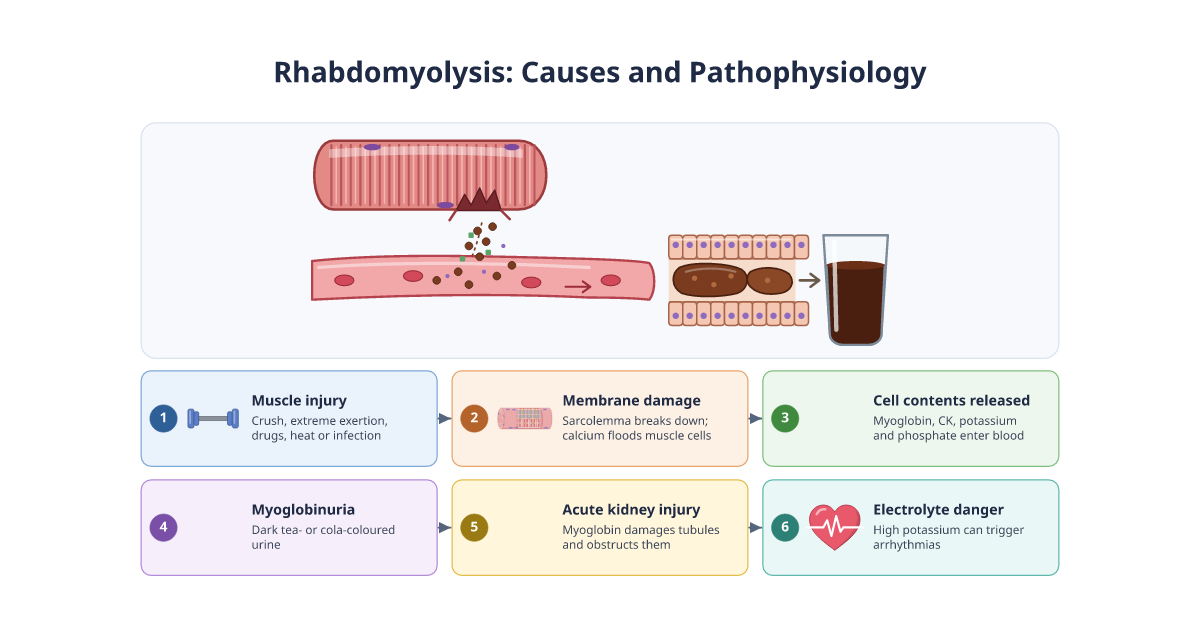
The medical emergency has brought intense scrutiny to the physiological limits of endurance athletes. Rhabdomyolysis occurs when damaged skeletal muscle tissue breaks down rapidly, releasing breakdown products such as myoglobin directly into the bloodstream. Because the kidneys struggle to filter elevated levels of myoglobin, the condition frequently leads to acute kidney injury, electrolyte imbalances, and multi-organ failure if left unrecognized and untreated.
Medical experts explain that while the syndrome is often associated with crush injuries, extreme military training, or severe dehydration, it can unexpectedly impact even highly conditioned individuals pushing through intense athletic challenges. In the case of the 24-year-old runner, her family shared that she was a dedicated and active athlete who showed no prior indication of vulnerability to such an acute systemic crisis.
Background & Timeline of Rhabdomyolysis
Historically, the syndrome was famously documented during wartime disasters when trapped earthquake victims suffered massive crush injuries to their limbs. However, modern sports medicine has increasingly tracked occurrences among marathoners, CrossFit participants, and individuals engaging in unaccustomed, high-intensity workouts.
During the recent New York City Marathon, race conditions and individual exertion levels combined to push several competitors to their physical boundaries. While thousands successfully crossed the finish line, the fatal collapse of Apa underscored how rapidly the condition can escalate from physical exhaustion to a life-threatening medical emergency without immediate clinical intervention.
Contextual Analysis & Associated Developments
Recent institutional developments and public health guidance underscore a concerted push by medical associations to educate coaches, trainers, and athletes on early detection. Public health agencies, including the Centers for Disease Control and Prevention (CDC), emphasize key clinical markers such as severe muscle pain, extreme weakness, and characteristic dark, tea-colored urine—a hallmark sign of myoglobin filtering through the kidneys.
Diagnostic protocols heavily rely on blood tests measuring creatine kinase (CK) levels, which typically skyrocket during an active episode. Healthcare institutions in the New York metropolitan area, alongside national sports medicine networks, have mobilized expert panels to discuss preventative protocols, hydration strategies, and post-exertion monitoring to safeguard participants in future marathons and endurance events.
Official Statements & Key Reactions
Family members and athletic organizations have expressed profound grief over the tragedy while striving to transform the loss into a life-saving educational crusade. "Our goal is to ensure that other athletes, trainers, and emergency medical responders recognize the warning signs before it is too late," noted a family representative in a released statement.
Hackensack Meridian health experts and other regional medical authorities have made themselves available to the media to clarify the distinction between normal post-marathon muscle soreness and the pathological breakdown characteristic of the syndrome. Emergency room physicians reiterate that prompt intravenous fluid administration is critical to flushing toxins from the bloodstream and protecting renal function.
Strategic & Long-term Ramifications
The incident is expected to reshape medical preparedness at major endurance races worldwide. Race organizers are reviewing on-course medical screening procedures, electrolyte station accessibility, and post-race monitoring to catch distressed runners earlier. Sports science researchers are also calling for expanded studies into genetic and environmental predispositions that might make certain athletes more susceptible to muscle cell breakdown under prolonged stress.
What Observers Are Watching Next
As medical societies finalize updated guidelines for endurance sports safety, attention turns to upcoming major marathons and athletic competitions. Observers will be closely monitoring whether race directors implement mandatory educational briefings on muscle breakdown symptoms and whether new diagnostic tools can be deployed rapidly at field medical tents to save lives.
Ultimately, the tragedy serves as a solemn reminder that human endurance, while remarkable, operates within strict biological boundaries that demand vigilant medical awareness and rapid intervention.