

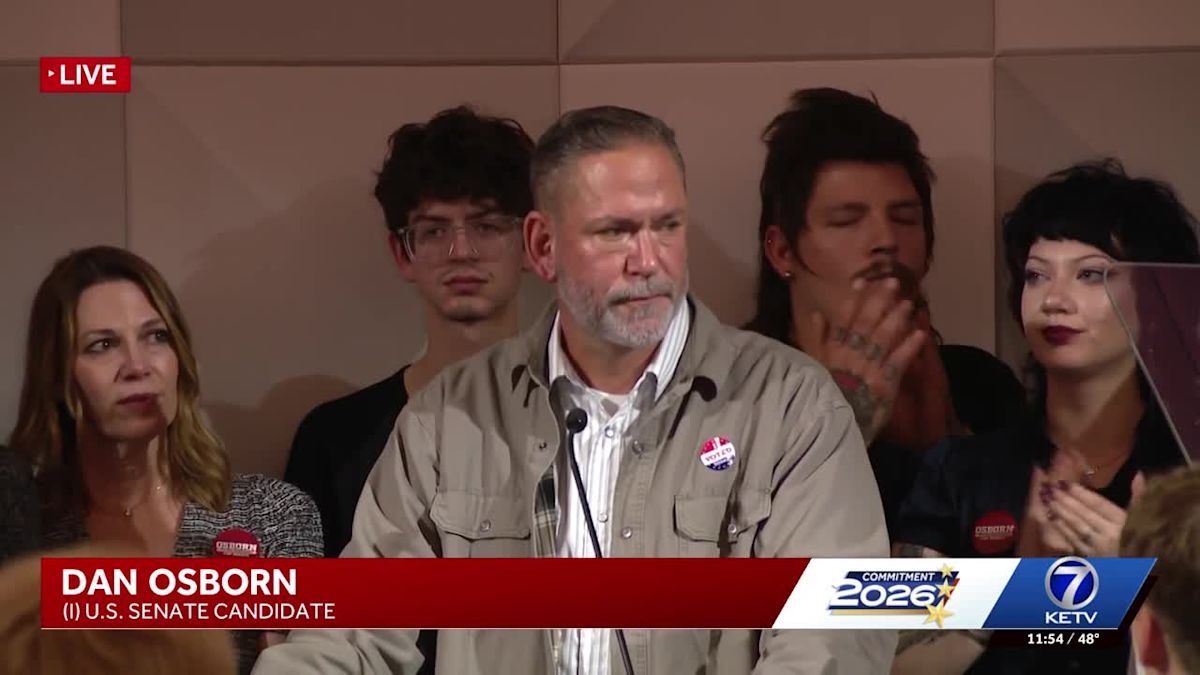
OMAHA — In one of the most closely watched contests of the midterm cycle, independent challenger Dan Osborn ultimately fell short in his historic bid to unseat incumbent Republican Senator Pete Ricketts in Nebraska's high-stakes U.S. Senate race. Major news organizations and election desks projected the victory for Ricketts late Tuesday evening after a protracted, hard-fought campaign that drew national attention and significant outside spending. Osborn, a mechanic and industrial union leader, captured the imagination of voters across the state by running an unorthodox grassroots campaign that bypassed traditional party structures.
Dan Osborn: The Breaking Facts
The race crystallized national debates over labor, economic populism, and the viability of independent candidates in deeply conservative states. While Ricketts leaned heavily on his established political network and institutional backing, Osborn campaigned relentlessly on populist economic policies, appealing to working-class voters who felt ignored by both major parties. Vote tallies showed a tighter margin than many historical baselines in Nebraska, signaling a shifting political landscape that mirrored competitive battles seen in other legislative battlegrounds nationwide.
Background & Timeline of Dan Osborn
Osborn first rose to prominence as a central figure in a high-profile labor strike at the Omaha-based Kellogg's plant, where he served as the local union president. Leveraging that momentum, he launched his independent senate campaign with a focus on fixing infrastructure, protecting American jobs, and challenging corporate monopolies. Throughout the campaign cycle, political analysts frequently compared his cross-party appeal and anti-establishment platform to insurgent political movements tracking across other high-profile contests, drawing parallels to dynamic races such as the closely monitored Minnesota Senate Race and the fiercely contested New York Governor Race.
Contextual Analysis & Associated Developments
Beyond Nebraska, the broader electoral landscape was defined by tight margins, mirroring parallel outcomes like the legal and political battles involving figures such as Ashley Moody and the legislative debates highlighted during the Amish Shah campaigns. Analysts noted that Osborn's performance demonstrated the lingering appetite for alternative political voices, even in environments traditionally hostile to independent bids. Questions regarding campaign finance reform and the power of grassroots organizing will undoubtedly persist as political strategists dissect the granular precinct data from Tuesday's contest.
Official Statements & Key Reactions
Following the race call, campaign surrogates and political leaders offered varied assessments of the electoral outcome. Supporters of the independent movement praised the campaign for shifting the national conversation toward labor rights and economic equity, while Republican leaders emphasized the importance of party unity and conservative governance heading into the upcoming legislative session.